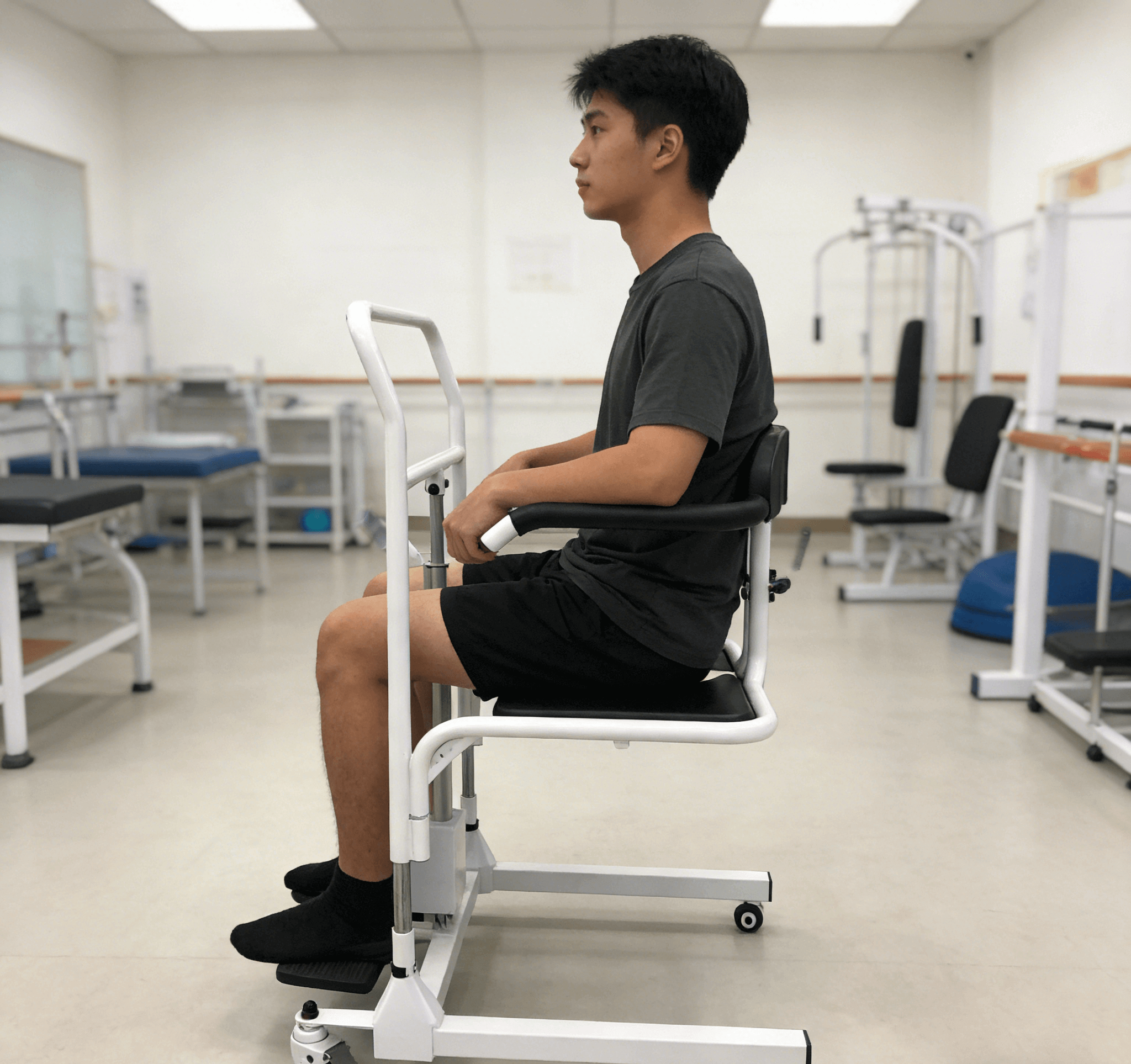
Category: Power Wheelchair
Posted by 2025-12-26 11:12
hoyer lift for weight
I. Weight is the Primary Indicator for Hoyer Lift Selection
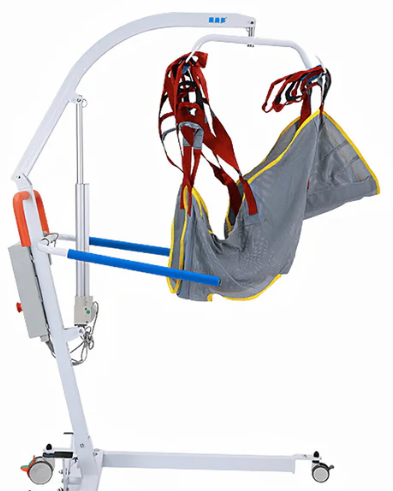
The maximum weight capacity of a Hoyer Lift directly determines the range of users it is suitable for. Overloading the equipment can cause minor issues such as motor overheating and hydraulic failure, or more severe safety accidents like boom breakage and base tipping.
Mainstream Hoyer Lifts on the market are classified by weight:
User Weight Range Equipment Type Typical Weight Capacity Target Users
≤ 136 kg (300 lbs) Standard 136–181 kg (300–400 lbs) Elderly people with average build, post-surgery patients
136–181 kg (300–400 lbs) Heavy-Duty 204–227 kg (450–500 lbs) Overweight individuals, hoyer lift for weight muscular individuals
≥ 181 kg (400 lbs) Bariatric / Maxi 272–363 kg (600–800 lbs) or higher Patients with obesity, critically ill bedridden patients
✅ Important Principle: The rated weight capacity of the selected equipment should be at least 20% higher than the user’s actual weight. This accounts for the impact force during dynamic transfers and wear from long-term use.
II. Risks of Using Standard Hoyer Lifts for Heavy Users
Due to budget or space constraints, many families attempt to "make do" with standard Hoyer Lift models for their overweight loved ones. hoyer lift for weight This easily leads to the following problems:
Structural Deformation: Bent base legs and sagging booms cause center-of-gravity deviation.
Lifting Failure: Motor shutdown due to overloading, or hydraulic pumps unable to lift to the required height.
Sling Tearing: Ordinary nylon slings may fray or break under high tension.
Caregiver Panic: Abnormal noises or shaking of the equipment increase psychological stress during operation, affecting care quality.